All Categories
Featured

Table of Contents
- – OCRV Center
- – Understanding Your RV Roof Repair Options Near Me
- – Breaking Down Sealants and Coatings for RV Roofs
- – When Full RV Roof Replacement Makes Sense
- – Direct Cost Comparison: Sealants vs Full Repla...
- – Pros, Cons, and Decision Framework
- – Preventing Future RV Roof Problems
- – Real Owner Experiences and Outcomes
- – Why Choose a One-Stop Shop for RV Roof Repair ...
- – We Can Help! Contact Us Today
- – Frequently Asked Questions About RV Roof Repai...
- – OCRV Center
RV roof repair near me often becomes essential the instant owners spot early warning signs such as water marks on ceilings, leaks after rainfall, or compressible roof zones hinting at water intrusion. Roof sealants and protective coatings provide a cost-effective affordable repair approach by applying protective layers over the present membrane to reseal seams, strengthen weak points, and prolong roof functionality without full removal. Full replacement, by contrast, strips away the old covering, inspects and fixes the substrate, and installs a brand-new membrane to reestablish full structural strength from the ground up. These two solutions successfully address leaky RV roof concerns, however the best option depends on the true severity of deterioration, the specific roof material involved (EPDM or TPO or fiberglass), budget constraints, and long-term performance goals. This in-depth analysis explores sealants versus full replacement head-to-head—covering pricing ranges, installation sequences, advantages and limitations, future performance, and effective prevention strategies—so owners of RVs gain clarity and sidestep costly secondary damage that arise from delayed roof care.
Moisture intrusion stands among the top and highest-cost dangers RV owners encounter, often progressing from tiny breaches into widespread interior destruction, mold growth, wiring problems, and weakened structural elements if left unaddressed (Villa Park Rv Trailer Roof Repair). Professional roof intervention stops this escalation promptly, protects the RV's complete state, and maintains resale value at higher levels. Those who address roof issues early experience considerably reduced anxiety and much fewer unplanned downtimes compared to individuals who delay until obvious decay or serious structural failure forces emergency intervention. Industry records consistently demonstrates that regular roof care cuts major water-related repair claims dramatically over the vehicle's lifespan
Understanding Your RV Roof Repair Options Near Me
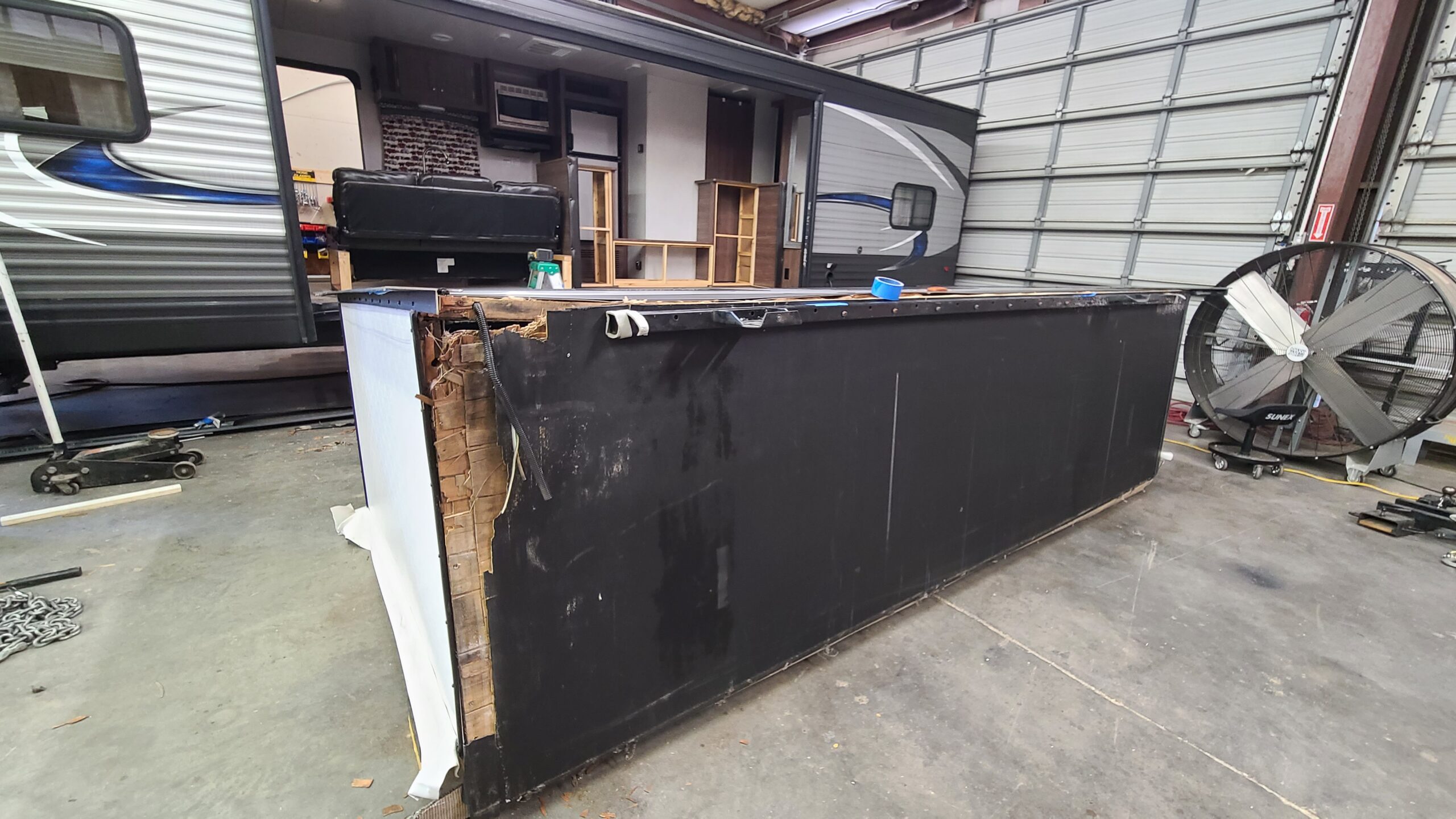
RV owners frequently begin RV roof repair near me searches when initial indicators appear after weather exposure or basic visual examinations. Interior leaks manifest as persistent dark water stains, blistering surfaces, or altered ceiling sections, frequently located near vents, seams, skylights, or air conditioning units. Compressible zones detected when walking inside or when pressing the roof exterior indicate water has reached the plywood decking and initiating structural weakening. Cracked, dried-out, or entirely absent sealant around fixtures and seams permits water infiltration, especially following thermal expansion and contraction. These warning signs rarely remain isolated—intrusion travels in multiple directions, fostering mold colonies, saturating insulation, causing wire corrosion, and weakening structural elements if left unattended.
Prompt response to these first indicators protects both immediate usability and overall vehicle value. Waiting too long often causes additional restoration—cabinetry and upholstery work, electrical system fixes, mold removal—that often exceed the cost of initial roof work by significant margins. Frequent inspections and quick professional review transform potential crises into manageable service items. Owners responding early experience much less anxiety, reduced vehicle out-of-service time, and greater confidence during travel seasons. Service industry data demonstrate consistent roof maintenance reduces severe water-damage incidents substantially compared to reactive approaches.
Identifying warning signs promptly gives control—contact local experts for a complimentary inspection to catch issues before they escalate. For further roof service information, explore our detailed RV roof repair guide.
Breaking Down Sealants and Coatings for RV Roofs
Roof sealants and coatings function as the first-line method for most RV roof repair near me scenarios where deterioration remains confined to the top covering, deteriorated sealant, or minor breaches without substrate damage. These protective applications adhere strongly to the current membrane, establishing an unbroken water-resistant layer that protects weak entry points and delivering robust defense against ultraviolet degradation, temperature fluctuations, and occasional impacts. Silicone RV roof coating excels for its remarkable stretch capability and resistance to cracking across broad thermal conditions, rendering it particularly suitable in areas of high UV intensity or regular temperature changes. Acrylic-based coatings deliver reliable stick on various substrates and simpler re-coating during subsequent upkeep. Reinforced hybrid formulations intersperse polyester fabric layers between coating applications, substantially increasing tear strength—ideal for roofs subject to branch impacts, occasional hail, or debris contact during storage or travel.
Expert installation follows a precise sequence designed to maximize adhesion and longevity. Initial high-pressure washing combined with manual scrubbing removes oxidation layers, accumulated grime, old caulk remnants, and all loose debris that would compromise attachment. Technicians then address obvious cracks and seam issues, add primer where indicated, and systematically roll or spray even coats to ensure full protection, giving extra care to edges, corners, and fixtures including all roof penetrations and fixtures. Setting time vary from hours to days based on temperature, humidity, and material specs, then detailed water or pressure testing ensures no leaks remain. Typical pro jobs finish in one or two days, permitting quick return to use with reduced downtime.
Expected lifespan generally ranges five to ten years under normal use, while strong UV, thermal extremes, vibration, or tough conditions may reduce that timeframe. Regular yearly checks detect wear patterns promptly, plus minor reapplications during upkeep prolong optimal function greatly. Costs typically fall from eight hundred to three thousand five hundred dollars, based on roof size, prep work, material quality, and reinforcement needs. Expertly installed coatings show significant decrease leak incidents versus neglected roofs, based on service provider statistics.
Sealants offer efficient, proven protection for many roofs—reach out for a no-obligation quote tailored to your RV’s needs. Explore further care options in our RV maintenance page.
When Full RV Roof Replacement Makes Sense
Full RV roof replacement emerges as the necessary solution when in-depth assessment reveals damage penetrating past the outer layer. Broad dry rot in substrate, large-scale delamination separating the covering from the base, or recurring sealant breakdowns demonstrate that surface-level treatments offer only short-term relief while core decay advances. Keeping damaged substrate under these conditions creates ongoing moisture trapping, speeding mold growth, insulation degradation, and eventual safety issues from compromised structure during highway travel.
Contemporary replacement projects utilize high-performance materials designed for RV-specific needs. TPO membranes excel at reflecting heat, withstanding chemical contact, and keeping weight minimal that supports better fuel economy on long hauls. PVC membranes enable heat-welded seams producing exceptional waterproofing and exceptional resistance to punctures and abrasion. Fiberglass coverings require meticulous contour matching to maintain original aerodynamics and strength. The complete process starts with controlled stripping of the old membrane, thorough base inspection, targeted repair or full replacement of damaged plywood sections, optional insulation upgrades, and precise installation of the new membrane including reinforced seals at all roof penetrations including vents and fixtures.
Benefits go far beyond stopping leaks—replacement fully restores original structural integrity, eliminates concealed moisture reservoirs, and offers long-term low-maintenance durability under normal use. Better insulation performance often occurs from enhanced insulation installation during reconstruction. Certified new roof work elevate market value and market value during resale evaluations. Owners consistently describe the after-replacement feeling as returning to a refreshed, worry-free vehicle capable of extended adventures without ongoing roof anxiety.
Complete replacement restores the base when required—arrange a professional evaluation to confirm the right path forward. View comparable projects in our photo gallery.
Direct Cost Comparison: Sealants vs Full Replacement
Pricing stands among the top factors of decision-making for RV roof repair near me discussions. Sealant and coating applications typically range from the eight hundred to three thousand five hundred dollar range for standard RV applications. This figure incorporates thorough prep work, top-tier materials, expert labor, and final verification testing. Lower pricing applies to compact units or roofs requiring only minimal preliminary cleaning, while higher totals reflect larger surface areas, extensive oxidation removal, crack repairs, or additional strengthening requirements.
Full replacement jobs usually span four thousand to twelve thousand dollars. Pricing accounts for RV overall length, selected material, extent of substrate repair or replacement, labor for safe removal and precise reinstallation, and fixture-specific sealing. Accessibility constraints, such as tight site conditions or elevated positioning, can adjust the final amount. Industry statistics repeatedly indicate that ignored roof leaks frequently trigger secondary interior, electrical, and structural repairs averaging five thousand to fifteen thousand dollars or higher, highlighting the financial prudence of addressing roof concerns proactively.

Long-term value assessment clearly supports choosing the method matching exactly verified damage extent. Sealants deliver immediate budgetary relief and solid long-term safeguarding when applied to sound decking. though requiring greater upfront outlay, stops ongoing repair needs and safeguards against expensive secondary issues that might exceed the initial cost many times. Clear, detailed estimates from seasoned professionals eliminate surprises and set realistic budgets with achievable, durable outcomes.
Years of direct knowledge and industry certifications allow accurate forecasting and execution—providing sound financial management and peace of mind from clarity. Review our method with other options on our RV roof repair page.
Pros, Cons, and Decision Framework
Analyzing RV roof coating vs replacement pros cons reveals distinct advantages for each method. Sealant applications finish fast—commonly in a day—require substantially lower initial outlay, and offer quick waterproofing while simultaneously improving resistance to UV breakdown and weather exposure. They excel for preventive maintenance programs or when base structure stays solid. The main limitation emerges when underlying decay, extensive delamination, or recurring sealant breakdowns are present; sealants in such cases may temporarily conceal rather than correct the fundamental issue, potentially resulting in recurrence and increased cumulative costs over time.
Total replacement offers comprehensive, permanent solution by tackling head-on root causes at the substrate level. removes trapped moisture, fully rebuilds structural integrity, and provides longest durability with minimal ongoing intervention required. Main trade-offs include elevated initial investment and extended project duration, although offset by greatly decreased future maintenance, superior overall vehicle reliability, and improved resale appeal.
A solid decision process starts with expert evaluation—systematically checking for spongy areas, thorough examination of all entry points, and carefully recording findings. Integrate those findings with personal usage patterns (constant residency vs occasional trips), prevailing climate conditions, and budgetary priorities to identify the best option. This structured approach avoids impulsive selections and guides owners to the solution that delivers optimal protection, value retention, and peace of mind.
This method eliminates uncertainty—obtain expert input with a complimentary consultation. Explore our full RV service offerings for related needs.
Preventing Future RV Roof Problems
Consistent application of RV roof maintenance tips and proactive strategies to prevent RV roof leaks permanently emphasizes routine vigilance over reactive intervention. Recommended inspection intervals involve twice-yearly examinations plus before-trip reviews, enabling identification of early wear signs at the earliest stages. Complete debris removal removes accumulation from low spots, seams, and drainage channels, while detailed examination of caulk status on penetrations and borders reveals areas requiring immediate attention before failure occurs. Light probing throughout the roof reveals compressible areas that signal early substrate concerns requiring expert follow-up.
Frequent errors that accelerate roof deterioration failing to perform regular caulk renewal, applying mismatched or low-quality caulk products that fail prematurely, or ignoring minor cracks that grow with temperature changes. Built-up material creates persistent water-trapping conditions. Avoidable walking causes gradual micro-tears. Strategic parking under protective cover during severe weather reduces exposure to falling branches and sap buildup. Professional-grade preventive coatings installed at service intervals offer substantial further safeguarding against UV breakdown and outdoor elements.
Forward-thinking routines extend roof life significantly—professional input ensures nothing is overlooked. Discover maintenance strategies on our RV maintenance section.
Real Owner Experiences and Outcomes
RV owners facing RV roof repair near me requirements often describe strikingly comparable stories. One motorhome owner from Anaheim noticed advancing ceiling stains following heavy wet weather and chose expert coating service. It closed all potential leaks completely and prevented continued intrusion, preventing mold development and enabling uninterrupted seasonal travel schedules. “The efficient process eliminated our ongoing concern about interior water damage,” the owner commented in follow-up feedback.
Another owner from Irvine encountered severe delamination and rot on their fifth wheel. Total replacement fixed persistent leaks permanently and returned inside to pristine state. “It gave instant worry-free feeling—no more anxiety during rainstorms,” the owner mentioned. A Huntington Beach travel trailer owner involved a travel trailer with repeated seam failures. Focused reinforcement extended usability greatly without needing complete replacement. “We regained confidence in the vehicle for long-distance trips,” the owner reported. These experiences show the considerable comfort and consistent outcomes that arise from professional, structured roof renewal.
These genuine experiences reflect the comfort of confident ownership and the practical certainty of durable, certified work. Check out parallel cases in our testimonials.
Why Choose a One-Stop Shop for RV Roof Repair Near Me
Selecting a one-stop facility significantly eases RV roof repair near me by coordinating all related repairs within a single coordinated effort. Moisture damage often impacts wiring, insulation, cabinets, floors, fabrics, and inside components—resolving every related element in one go eliminates scheduling conflicts, duplicated effort, and the risk of incomplete or mismatched work. This unified approach significantly lowers complete downtime and minimizes the likelihood of ignored additional problems that could generate additional expenses in the future.
Service coverage extends extensively in Southern California, encompassing Anaheim, Santa Ana, Irvine, Huntington Beach, Garden Grove, Fullerton, Orange, Costa Mesa, Mission Viejo, Westminster, Newport Beach, Buena Park, Lake Forest, Tustin, Yorba Linda, Fountain Valley, Laguna Niguel, San Clemente, La Habra, Cypress, Rancho Santa Margarita, Seal Beach, Placentia, Brea, Stanton, San Juan Capistrano, Laguna Hills, Laguna Beach, Aliso Viejo, Villa Park, Laguna Woods, Dana Point, Los Alamitos, La Palma, and communities throughout Los Angeles County, Inland Empire, Riverside County, San Bernardino County, Ventura County, and San Diego County—readily available near major freeways including the 5 and 91.
A one-stop approach eliminates fragmented fixes and delivers cohesive, high-quality outcomes—contact experts at 23281 La Palma Ave. Yorba Linda CA 92887, (714) 909-1444 for support. Learn about our complete services on the main website.
We Can Help! Contact Us Today
Qualified RV roof repair near me always surpasses temporary fixes or DIY attempts across nearly all cases. Villa Park Rv Trailer Roof Repair. DIY efforts commonly ignore hidden decay, use mismatched materials, or lack proper stick and consistent layers, resulting in repeated failures and progressively higher cumulative expenses. Expert crews employ manufacturer-specified products, careful application techniques, and thorough verification processes that deliver proven, durable waterproof results
The emotional payoff is considerable: relief from persistent concern about leaks disrupting getaways, creating indoor air quality hazards, or causing surprise breakdowns. In terms of value, certified roof service generates compelling return on investment by preventing thousands in secondary interior restoration, increasing vehicle longevity, maintaining elevated resale values, and ensuring consistent defense through diverse seasonal and travel conditions.
Selecting professional RV roof repair near me restores confidence, protecting your asset, and confidently planning every journey ahead. Our team excels in RV roof repair near me and supporting services, providing quick, dependable results. From motorhomes and fifth wheels to travel trailers and camper vans, we serve every RV category with skill and dedication. Easily accessible near the 5 and 91 freeways in Southern California, we cover surrounding communities throughout the area. Start with a complimentary consultation and estimate. With extensive experience and a satisfaction guarantee, we maintain your RV in top condition for journeys. Trust us to manage your roof issues with assurance! Connect with us through contact or see our remodel services.
Frequently Asked Questions About RV Roof Repair Near Me
How much does RV roof repair cost near me?
Costs vary by damage scope and method selected. Sealants and coatings generally range from eight hundred to three thousand five hundred dollars, covering preparation, materials, labor, and testing. Full replacement averages four thousand to twelve thousand dollars, including size, substrate work, and membrane type. Early intervention keeps expenses lower. See our RV roof repair page for details.
Is RV roof coating better than replacement?
Coating suits surface-level wear or minor leaks, offering fast application and lower cost while protecting the existing structure. Replacement excels for deep damage like rot, providing a rebuilt roof with longer life. The best choice matches inspection findings. Learn more on our RV maintenance section.
When should I replace my RV roof instead of sealing?
Replace when inspection shows extensive rot, delamination, or repeated sealant failures. Surface treatments only delay problems in these cases. Professional evaluation confirms the need. Check our RV collision repair page for related structural work.
What are the main causes of RV roof leaks?
Leaks usually stem from failed sealant around vents, seams, and fixtures due to weathering and expansion. Debris traps moisture, and impacts create punctures. Regular checks prevent escalation. Explore prevention on our RV service page.
How long does RV roof sealant last?
Quality sealants last five to ten years with proper care. Sun and travel accelerate wear. Annual inspections extend life. See our RV fiberglass repair services for material insights.
Can mobile RV roof repair handle full replacements?
Mobile services manage sealants and many repairs on-site. Full replacements are possible with proper equipment. Shop facilities suit complex cases. Contact us via contact page.

What are the early signs of RV roof damage?
Signs include ceiling stains, musty odors, cracked caulk, or soft spots. Bubbling or discoloration appears early. Prompt attention prevents major issues. View examples in our photo gallery.
How do I prevent future RV roof problems?
Inspect twice yearly, clean seams, reapply sealant, and use protective coatings. Avoid unnecessary roof traffic. Professional maintenance adds protection. Learn more at our maintenance page.
Does RV roof repair qualify for insurance claims?
Sudden damage from storms or impacts often qualifies, but wear-related issues may not. Document thoroughly. Approved claims reduce costs. See our collision repair insurance tips.
What is the best material for RV roof replacement?
TPO offers heat resistance and light weight. PVC provides seamless durability. Fiberglass suits impact-prone designs. Expert advice ensures best fit. Explore options on our RV remodel page.
OCRV Center
Address: 23281 La Palma Ave Yorba Linda, CA 92887Phone: (714) 909-1444
Email: [email protected]
OCRV Center
Replace Rv Roof Villa Park, CA
Rv Roof Leak Repair Near Me Villa Park, CA
Roof Repair For Rv Villa Park, CA
Rv Roof Leak Repair Near Me Villa Park, CA
Rv Roof Repair Villa Park, CA
Rv Rubber Roof Maintenance Villa Park, CA
Rv Roof Leak Repair Near Me Villa Park, CA
Roof Repair For Rv Villa Park, CA
Rv Rubber Roof Replacement Cost Villa Park, CA
Resealing Rv Roof Villa Park, CA
Rv Roof Replacement Villa Park, CA
Rv Trailer Roof Repair Villa Park, CA
Resealing Rv Roof Villa Park, CA
Rubber Roofing For Rv Villa Park, CA
Rubber Roofing For Campers Villa Park, CA
Class C Rv Roof Repair Villa Park, CA
Motorhome Roof Replacement Villa Park, CA
Rv Rubber Roof Replacement Cost Villa Park, CA
Rv Slide Out Roof Repair Villa Park, CA
Rv Roof Replacement Villa Park, CA
Repair Rv Roof Villa Park, CA
Rv Rubber Roof Maintenance Villa Park, CA
Rv Rubber Roof Repair Villa Park, CA
Class C Rv Roof Repair Villa Park, CA
Rv Trailer Rubber Roof Repair Villa Park, CA
Rv Slide Out Roof Repair Villa Park, CA
Rv Rubber Roof Repair Villa Park, CA
Motorhome Roof Replacement Villa Park, CA
Class C Rv Roof Repair Villa Park, CA
Rv Roof Repair Near Me Villa Park, CA
Repair Rv Roof Leak Villa Park, CA
Epdm Rv Roof Repair Villa Park, CA
Rv Roof Repair Villa Park, CA
Rv Roof Leak Repair Near Me Villa Park, CA
Rv Roof Repair Service Near Me Villa Park, CA
Class C Rv Roof Repair Villa Park, CA
Rv Roof Leak Repair Near Me Villa Park, CA
Rv Trailer Roof Repair Villa Park, CA
Rv Rubber Roof Replacement Villa Park, CA
Class C Rv Roof Repair Villa Park, CA
Class C Rv Roof Repair Villa Park, CA
Rv Rubber Roof Maintenance Villa Park, CA
Rv Roof Repair Service Near Me Villa Park, CA
Rv Rubber Roof Repair Villa Park, CA
Epdm Rv Roof Repair Villa Park, CA
Rv Rubber Roof Repair Villa Park, CA
Rv Roof Repair Villa Park, CA
Rv Rubber Roof Replacement Villa Park, CA
Rv Trailer Rubber Roof Repair Villa Park, CA
Rv Trailer Roof Repair Villa Park, CA
Rv Slide Out Roof Repair Villa Park, CA
Motorhome Roof Replacement Villa Park, CA
Rv Roof Repair Fiberglass Villa Park, CA
Rv Roof Replacement Villa Park, CA
Rubber Roof For Rv Villa Park, CA
Rv Roof Repair Near Me Villa Park, CA
Rubber Roof For Rv Villa Park, CA
Rv Slide Out Roof Repair Villa Park, CA
Rv Rubber Roof Replacement Cost Villa Park, CA
Best Rv Roof Repair Villa Park, CA
Replace Rv Roof Villa Park, CA
Rv Roof Repair Fiberglass Villa Park, CA
Rubber Roof For Rv Villa Park, CA
Rubber Roofing For Rv Villa Park, CA
Roof Repair For Rv Villa Park, CA
Rv Rubber Roof Replacement Cost Villa Park, CA
Repair Rv Roof Villa Park, CA
Rv Roof Maintenance Villa Park, CA
Rv Roof Leak Repair Near Me Villa Park, CA
Rv Rubber Roof Replacement Cost Villa Park, CA
Repair Rv Roof Leak Villa Park, CA
Roof Repair For Rv Villa Park, CA
Rv Roof Leak Repair Villa Park, CA
Rv Roof Repair Near Me Villa Park, CA
Rv Rubber Roof Replacement Villa Park, CA
Replace Rv Roof Villa Park, CA
Rv Fiberglass Roof Repair Villa Park, CA
Rv Rubber Roof Replacement Cost Villa Park, CA
Finding A Good Local Seo Services Villa Park, CA
Finding A Local Seo Management Villa Park, CA
OCRV Center
Rv Roof Repair Villa Park, CA
Rubber Roofing For Campers Villa Park, CA

Table of Contents
- – OCRV Center
- – Understanding Your RV Roof Repair Options Near Me
- – Breaking Down Sealants and Coatings for RV Roofs
- – When Full RV Roof Replacement Makes Sense
- – Direct Cost Comparison: Sealants vs Full Repla...
- – Pros, Cons, and Decision Framework
- – Preventing Future RV Roof Problems
- – Real Owner Experiences and Outcomes
- – Why Choose a One-Stop Shop for RV Roof Repair ...
- – We Can Help! Contact Us Today
- – Frequently Asked Questions About RV Roof Repai...
- – OCRV Center
Latest Posts

Custom Web Design Mira Loma

Web Designer Near Me Corona

Eastvale Internet Marketing Agency Near Me
More
Latest Posts
Custom Web Design Mira Loma
Web Designer Near Me Corona
Eastvale Internet Marketing Agency Near Me