All Categories
Featured
Table of Contents
Painting Rv Exterior Eastvale, CA
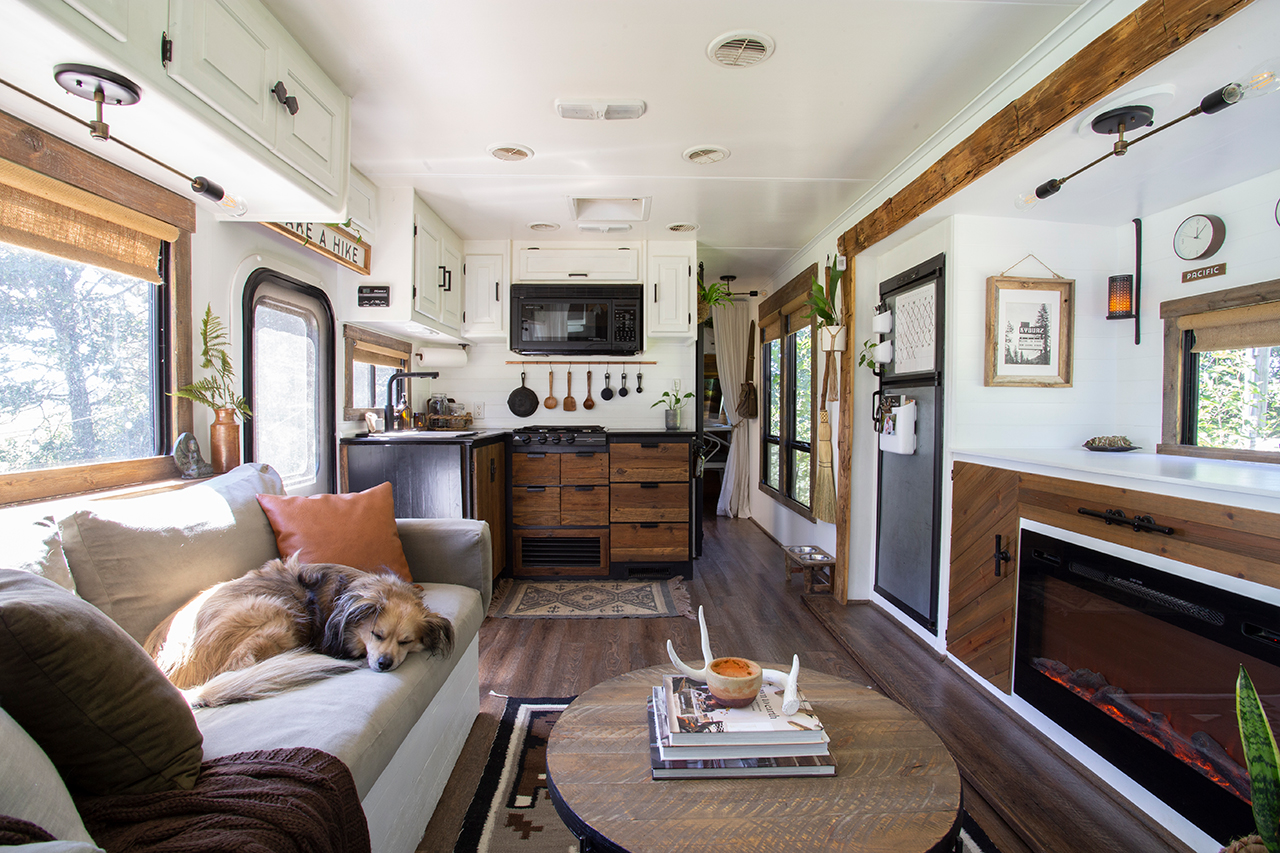
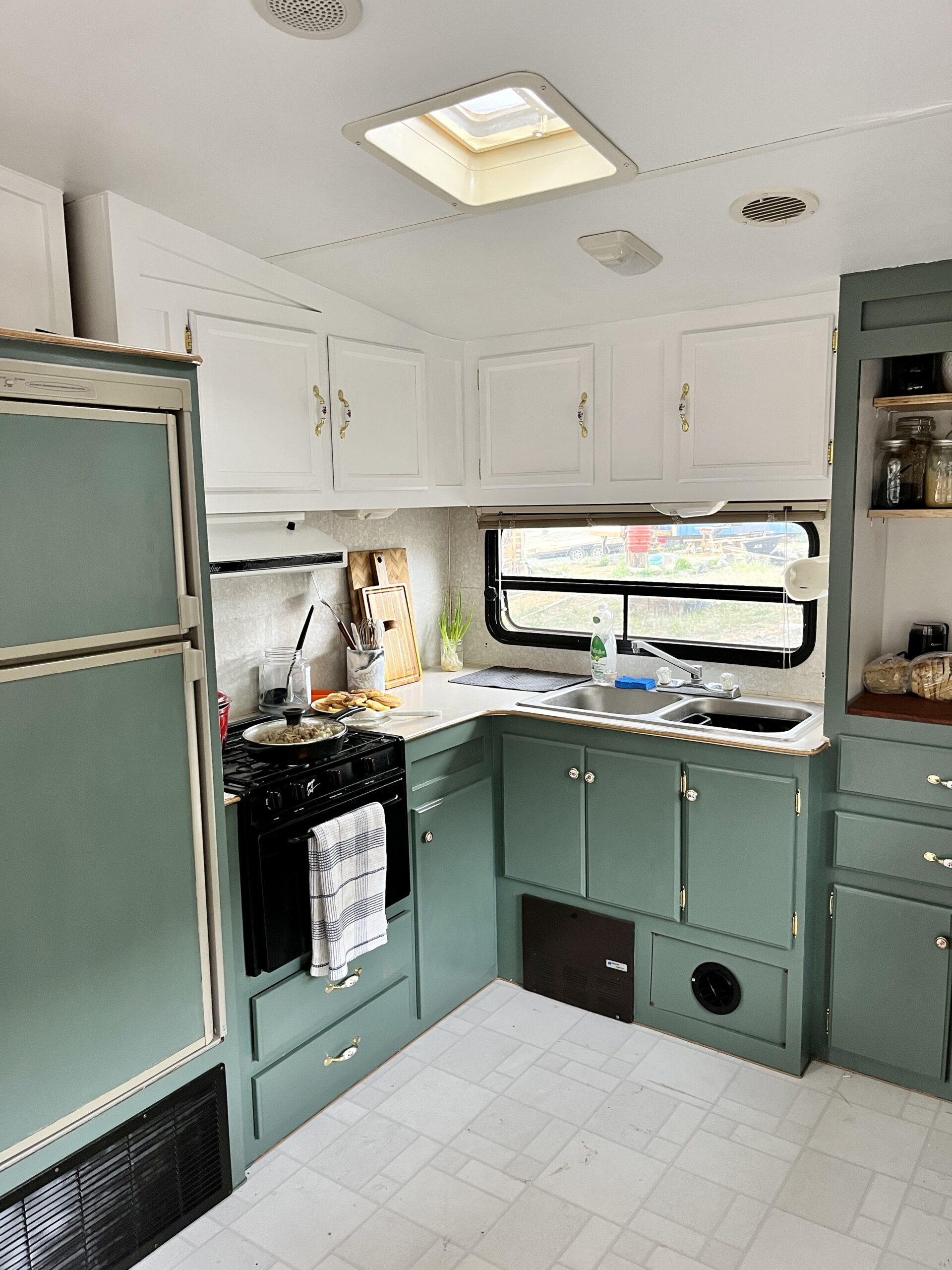
Chalk paint is typical in Motor homes. She used home made chalk paint efficiently before when paint furnishings, but it peeled off when she utilized it to repaint her Recreational vehicle cabinets.
I don't consider this a paint mistake since I'm not exactly sure it could have been expected, but it was a problem dealt with by recreational vehicle owner Christina. When repainting her recreational vehicle, she covered the seams in between the cabinets and the wood trim. The first time Christina's recreational vehicle was moved after the cabinets were painted, the paint gurgled up as the RV changed during transit.
Rv Painter Eastvale, CA
I wanted light gray when I selected the paint shade for my wall surfaces, but it looked white in the sunshine! I have a friend that bought paint called charcoal, but one coat exposed that it was blue, not grey! Avoid this by purchasing a sample size of the paint.
Repaint an examination area or paint a poster board and hold it under various lighting in your RV. If you eliminate the painter's tape while the paint is still damp, you may accidentally smear the paint.
The tape can conveniently appear the paint yet won't cause it to smear. If you notice that the paint is coming up with the tape, make use of a razor blade to score along the side before you pull. When you've purchased a kind of paint that was marketed as calling for just one layer, it can be frustrating to see the old wall color revealing with.
Rv Paint Shops Near Me Eastvale, CA

A thick layer of paint or going back over repainted areas before they are fully dry, can conflict with drying time. This can cause an irregular finish or leave visible brush strokes or marks from the paint roller. Strategy on 2 coats for anything you paint in your motor home.
, however she still aids out as the blog site editor. Ashley invested three years living full time in a 38-foot, 5th-wheel Motor home with her other half Josiah and their cat, Feline.
Rv Painting Near Me Eastvale, CA
If you're bound and identified to reduce out the professionals and make this a do it yourself project, this little guide will establish you on the best track. A rig with a fresh layer of exterior RV paint is a stunning point, particularly if you're liable for it. However, outside paints, particularly in RV and marine applications, come with a degree of clinical sophistication.
When you atomize your paint with an HVLP or airless sprayer, it requires to bond to the surface at a molecular degree. Without correct prep work, it can not bond. The results will certainly look wonderful, a minimum of till the initial bump comes along and a whole sheet of paint drops off. Prep work is crucial long before you struck up the paint aisle at the hardware shop.
Exactly how the surface is opened up relies on the product. Aluminum and fiberglass are the two exteriors that dominate the sector. It's typically much less regarding the product of the sidewalls and even more concerning the initial paint. Besides, a lot of customers jumping on the DIY paint task bandwagon are enhancing an existing aesthetic, not repainting the raw fiberglass or aluminum surface of a motor home.
Paint Motorhome Exterior Eastvale, CA
If you are painting the raw surface area, we have actually got you covered there. Your substrate will certainly often be old paint unless you occur to be painting Motor homes as they come off the setting up line. There are two things you require to understand that are of miraculous importance in regards to paint toughness, longevity, and an amazing visual: surface preparation and bonding guide.
Yes, it will increase the expenditure of a DO IT YOURSELF RV paint work, however it will certainly additionally conserve you a great deal of cash and suffering in the close to future. The remainder steams down to your overcoat of choice. Which one is the ideal, and what do they all mean? Polymer is a solid option as an external RV paint, especially if you're painting the raw surface of a light weight aluminum recreational vehicle.
Painting An Rv Eastvale, CA
Given that acrylic is a thin paint, it will generally cost even more for the additional finishings. Acrylic is normally made use of as a combo for exterior paints, such as acrylic-enamel.Latex is a water-based paint and, for the lengthiest time, oil-based paints have actually constantly been the best RV exterior paint of choice, or outside anything, for that matter.
It's tough to provide this one a strong 'yes,' though because lasting feasibility is still ever so a little up in the air.Enamel is oil-based and provides the thickest single layer of the bunch. It dries out slowly, but it additionally dries out hard, developing a safety shell. Its slow-moving drying time makes paint mistakes reparable.
Conveniently one of the most versatile finish coats on the checklist, one-part polyurethane jobs with wood, fiberglass, steel, light weight aluminum, and plastics. It provides UV defense and decreases the requirement for waxing, thanks to its glossy coating. It additionally improves wind resistant performance and is a strong waterproofing option. Surface preparation for polyurethane is a remarkably comprehensive and patient process, however.Two-part polyurethane has all the benefits of one-part polyurethane, except the finish is harder, has a greater gloss appearance, and is much even more expensive.Epoxy paints are the main outside paints in U.S.If you're choosing a super-glossy appearance, water-based is the incorrect option. Outside recreational vehicle paint is everything about surface area preparation. Without surface preparation, your topcoat may also be made from cotton sweet. Because that's about what you'll obtain out of ita wildly vibrant and appealing aesthetic, rapidly adhered to by wreck, despair, and relocating back in with your in-laws. With proper surface preparation, the exterior-grade paint you pick will
be just how your motor home occurs to the world. There are a great deal of challenging options in the above listing, and RVers will all be happy to inform you their own personal preference. Inevitably, it refers obtaining what you spend for. That's not to claim the various other selections are incorrect, simply less effective in terms of durability . Marine quality might seem like it has nothing to do with RVs, yet it does, in the majority of methods. Watercrafts and Recreational vehicles share several common qualities. Some are light weight aluminum, and some are fiberglass. Both require UV protection, waterproofing, rust resistance, flexibility, and a favorable aesthetic. While temperature influences the curing procedure of outside RV paint, there's still a home window in which many painting applications are ideal. You're great to go in temperature levels anywhere between 50F and 85F. Before you start, take notice of the climate, particularly if you choose an oil-based paint. Considering that they treat slower, the home window for disaster is larger. That will be much more difficult near the Gulf of Mexico, the Pacific Sea, or the Atlantic Ocean . In those cases, find an indoor center, head inland, or wait till the loss. Avoid windy conditions whenever feasible, especially if you're going to utilize a paint sprayer. This is where all the fun scientific research things begins. While bonding primer is commonly considered the ultimate need for a solid leading layer to stick, it's.
Painting Rv Exterior Eastvale, CA
not. It's really vital, yet it's not the end-all-be-all of the process. Not only do you have to sand every square inch of surface area on your RV, but you also need to sand your bonding guide. Many bonding primers will provide you with a 7-day window for optimum overcoat adherence. When you return, make use of 220+ grit sandpaper to lightly open the primer and remove any type of imperfections. Do not dig too deep with the sandpaper, as you don't want to mistakenly eliminate the bonding primer. The pathway to producing the most effective exterior motor home paint task begins and finishes with a sprayer. The problem is not everyone fits utilizing one. Hold that trigger for also lengthy or obtain the pointer also close to the surface area, and things go.
southern quickly. If you like to utilize a roller, a three-inch, high-density foam roller is the ideal choice. It produces the smoothest coating without leaving little fibers that come from woollen rollers. This is essential to a successful surface. You ought to only use paint brushes for difficult-to-access locations and stick with the foam kind instead of the bristles. The bristles have a tendency to leave tiny rows behind, which looks negative when it cures. Whatever you do, do not exaggerate it. Gravity works against paint, much like whatever else. Place the tip roughly 8 to 12 far from the surface and move swiftly with overlapping rows. The lady's rate (in the above video clip) is right, however, sometimes, her technique is not. At the 2:01 -minute mark, her method is ideal, maintaining an equal distance up and down the paint surface area. It may sound minor, however it creates whole rows of thin paint that sandwich rows of thick paint in between them. Primarily, make certain that there will be no damaging weather events, to the ideal of your ability, in the 24-hour following your paint work. For high-gloss or high-sheen coatings, don't wax it. For low-gloss or low-sheen paint jobs, do not hesitate to wax the finished item. The most effective method to maintain the aesthetic and total charm of your outside motor home paint task is to frequently clean it. You do not have to go all wild and wash it every 2 or 3 days. Simply develop a regular and keep it tidy. A DIY outside RV paint work isn't as lavish and rejuvenating as it seems. The great news is that nothing that looks wonderful ever originates from little initiative. You can constantly get a professional to do it. There are marine commercial painters and vehicle detailers who would love to do it. Plus, we share top item referrals so your camper appears looking fresh. For reference, I utilized of base shade to repaint roughly. That aligns with the estimated required for complete coverage. This included, with some overlap and regular overspray waste. Below is a general price quote of just how much paint you'll need to cover the. To give both rigs a fresh face-lift, this is the outside paint strategy that we recommend. Eastvale Painting Rv. Intend to have a look at both restorations? Below is the 2007 Keystone Hornet and the 2005 Keystone Hornet. Here is just how to paint your recreational vehicle's outside. 1 Beginning by providing your RV a good laundry to get rid of any dust, dirt, or roadway grime.
Ensure to wash completely so no soap or deposit is left. Then, let the motor home before moving on to the following stepthis assists your tape stick far better and avoids dampness from getting entraped under paint. 2 they'll create the paint to peel and leave an irregular coating. Utilize a warm gun to carefully warm the vinyl. This softens the glue and makes elimination easier. Begin at one corner and gradually pull it off. A 3M sticker cleaner tool can be a substantial helpespecially for old, sun-faded stickers that are fragile or stuck on tight. Rub out any type of sticky residue with a fabric and Goof Off, a sticky cleaner, or perhaps orange vital oil (which works surprisingly well! ). 3 Before you repaint, it's a great concept to get rid of any plastic fixtures or trim piecesespecially if your motor home is older. With time, components like can end up being discolored, breakable, or split from sun exposure. This is an ideal time to change them with(you can find plenty at RecPro ). I also suggest removing the and painting them separately. To remove the hatch doors, just unscrew one end of the joint and. Peel off any kind of old from the frame, and when every little thing is repainted and completely dry, change it with a fresh gasket for a tighter seal and a sleek appearance. 4 Just like when repainting the interior of your RV or your home, you'll wish to like home windows, lights, trim, door takes care of, vents, and any kind of devices you could not get rid of. It allows you use painter's tape and covering up movie with each other, which.
Painting An Rv Eastvale, CA
saves time and aids you obtain clean, straight lines. Use concealing film to cover larger locations and safeguard them from overspray. Eastvale Painting Rv. Press the edges down firmlyespecially around seams and hardwareto keep paint from creeping beneath. If you're getting rid of parts like air vent covers or lighting fixtures, snap a fast image before taking them off. Use or a fining sand block to. The objective below isn't to get rid of layersjust to boring the shiny surface and offer the new paint something to grasp onto. Take your time and work evenly across the surface area. This action is key for aiding (or any type of auto paint) stick effectively and offering you a smooth, durable surface. 6 After sanding, it is essential to thoroughly clean the surface before you start paint. with acetone and a to eliminate any kind of oils, oil, or deposit that can protect against the paint from sticking. with a to grab sanding dirt. to capture any kind of continuing to be particles for a clean, paint-ready surface. Make certain the surface area is completely dry before carrying on to guide. 7 With your surface clean and prepped, it's time to use the guide. Making use of a, apply a light, even layer to all locations you intend to paint. Guide produces a smooth, consistent base and aids the paint stick appropriately. Avoid paint in straight sunshine, on gusty days, or when dust is in the airthese problems can impact how the primer dries and can lead to a harsh or unequal surface. 8 Currently it's time to bring your RV's makeover to life! Making use of a, use the base color in smooth, also passes. For the very best outcomes, adhere to these actions: Apply a light, even layer using. Maintain the sprayer regarding and maintain a to prevent lap marks. Allow the paint dry completely according to the maker's directions. This aids the following layer stick far better and smooths out any type of tiny blemishes. Wipe everything down with a to eliminate any dust. Utilize a to choose up any kind of remaining bits. Use a 2nd coat using the same method. If the paint still looks uneven after drying, repeat the scuffing and cleaning procedure, then apply a 3rd coat if required. As soon as the paint is completely healed(adhere to the timeline on your Dupli-Color or picked product), you can to boost the luster and offer it a clean,
OCRV Center
Address: 23281 La Palma Ave Yorba Linda, CA 92887Phone: (714) 909-1444
Email: [email protected]
OCRV Center
professional appearance. Wait until the paint is fully treated prior to buffingrushing this step can dull or harm your finish. Remember to correctly prep the exterior surface to make sure that the paint has something to stick to. It's an old-time concern. Do you take your recreational vehicle to a customized paint store or choose a DO IT YOURSELF recreational vehicle paint work? As a RV owner, it's an inquiry that you at some pointneed to encounter when your motor home's exterior starts to put on. There's no right or incorrect answer when it pertains to selecting a professional motor home paint work or going the DIY paint course. The most likely factor a person chooses to go do it yourself is due to the price factor. Depending upon the dimension and style, the average recreational vehicle paint task can vary from $5,000-$15,000+. Repainting a motor home by yourself, however, can be as low-cost as $300 if you're prepared to invest the moment and initiative. If you can spare the effort, you can do the labor on your own and conserve money at the same time. With assistance from the net, you can discover to achieve anything. There's a wide range of knowledge to guide you detailed through the procedure of paint your RV. You can bring up a composed guide on your phone(or print them out )or you can adhere to in addition to a YouTube video clip. While it may appear discouraging to look via, with perseverance and resolution, you can use these sources to help you transform your motor home outside. When you choose to paint your motorhome by yourself, you have overall control over what happens. You decide what sort of paint and products are utilized. Be as fancy or as moderate as you want. As long as you have the capability to, you can customize your outside to your preference. There's additionally a feeling of achievement that features taking on a large DIY task. You can't beat the sensation of standing back and feeling pride in the effort you've placed in. When you most likely to a personalized paint store, there's an assumption in the quality of the final product. That expectation comes from the experience and resources that a paint store needs to use. Custom paint stores include workersthat are educated in a process that's been executed countless times. That process has been pin down right into a reliable routine for the store workers. Not everyone is artistically inclined. And creating designs for a motor home could be more difficult than anticipated. If you aren't the imaginative type, a motor home paint shop will certainly have lotsof reliable layouts and shades to select from. They'll function with you to get the very best keep an eye out of your recreational vehicle. [] While do it yourself is a cost-saving action, it will take up a great piece of time to total painting your RV. Approximated time to finish a DO IT YOURSELF recreational vehicle task can take up to 30 hours or more. Those who work full-time may discover it tough to discover the leisure time outside of the weekend break to undergo repainting their mobile home. Ultimately, the choice is yours on how to care for your recreational vehicle. It's your automobile and your adventure. Simply be certain to think about all your options when making that option. If you decide to obtain your paint done properly and are searching for a costs, top notch service, take a look at CDI Customized Paint today and obtain a quote. We are still in the Madison, Wi. campground at the FMCA rally. We consulted with folks from Mike's Personalized Paint in Bremen, In. Regarding doing an overall repaint of our 1999 DSDP.From what they stated, and what you can see on their internet site, I have little question they would certainly do a first price job. Quality of products and workmanship are what I'm looking for. If you have remarks you prefer to not upload on the discussion forum, please send them to me at:! Bob. Thanks for all the replies. I'm in the onset of considering this, but the m/h needs it. I'm either mosting likely to have this done, or tidy it up and sell it and obtain something a little much better- probably willwait until springtime if I perform. I'm very pleased with the remainder of the m/h, floorplan, mechanicals, etc, so I actually wouldn't mind keeping this. I recognize I'm going to get some flack for this and some individuals are going to shake their heads and raise some eyebrows. I don't comply with the rules for auto-body paint and perhaps not even for camper painting. Here's why, That's right. I do not spray it, I don't use car paint. Sometimes I do not also get rid of the stickers(wheeze!). Is it ideal? No. Is it way much better than prior to? Yes. Am I humiliated to be seen with it after it has been painted? No. Was I previously fretted about being misinterpreted for a mobile meth lab? Yes. Am I fretted about it currently? No. I always examine a job prior to diving in and using any one technique. I will certainly always check the decals and attempt to remove them. If you would certainly like to attempt to get rid of the stickers, you will desire to try the following supplies: The correct method to paint a recreational vehicle outside entails eliminating decals, power washing, taping and covering home windows and after that spraying on an automobile quality paint with a paint sprayer. If you have actually been turned away at specific camping areas based on your recreational vehicle's look, you ought to paint. Below is what I do to prep the surface area before painting: Gently sand areas where the stickers are bubbling or peeling off up Power clean whatever, including the roof covering Allow to completely dry thoroughly Seal up corners and around all windows with a paintable caulk.
Rv Paint Eastvale, CARv Paint Repair Eastvale, CA
Motorhome Custom Paint Jobs Eastvale, CA
Custom Rv Paint Jobs Eastvale, CA
Motorhome Paint Shops Eastvale, CA
Painting An Rv Eastvale, CA
Painting Fiberglass Motorhome Eastvale, CA
Rv Paint And Repair Eastvale, CA
Rv Paint Shops Near Me Eastvale, CA
Rv Painter Eastvale, CA
Rv Painting Eastvale, CA
Painting Rv Walls Eastvale, CA
Motorhome Custom Paint Jobs Eastvale, CA
Motorhome Paint Shops Eastvale, CA
Rv Paint And Body Shops Near Me Eastvale, CA
Custom Motorhome Paint Jobs Eastvale, CA
Painting Rv Exterior Eastvale, CA
Custom Rv Paint Eastvale, CA
Rv Paint And Repair Eastvale, CA
Rv Paint Shops Near Me Eastvale, CA
Custom Rv Paint Jobs Eastvale, CA
Rv Paint And Repair Eastvale, CA
Motorhome Painting Near Me Eastvale, CA
Rv Paint And Body Shops Near Me Eastvale, CA
Painting An Rv Eastvale, CA
Custom Painted Motorhomes Eastvale, CA
Rv Paint And Body Shops Near Me Eastvale, CA
Motorhome Painting Near Me Eastvale, CA
Paint Rv Eastvale, CA
Rv Exterior Paint Eastvale, CA
Painting Rv Exterior Eastvale, CA
Rv Painting Eastvale, CA
Painting Fiberglass Motorhome Eastvale, CA
Painting Rv Walls Eastvale, CA
Paint Motorhome Exterior Eastvale, CA
Motorhome Custom Paint Eastvale, CA
Custom Motorhome Paint Jobs Eastvale, CA
Rv Painter Eastvale, CA
Paint Rv Eastvale, CA
Rv Exterior Paint Eastvale, CA
Custom Rv Paint Jobs Eastvale, CA
Rv Painting Near Me Eastvale, CA
Painting Fiberglass Motorhome Eastvale, CA
Custom Rv Paint Jobs Eastvale, CA
Rv Paint Repair Eastvale, CA
Custom Rv Paint Jobs Eastvale, CA
Rv Paint Eastvale, CA
Custom Motorhome Paint Jobs Eastvale, CA
Motorhome Painting Eastvale, CA
Custom Rv Paint Jobs Eastvale, CA
Custom Rv Paint Eastvale, CA
Rv Exterior Paint Eastvale, CA
Motorhome Paint Repair Eastvale, CA
Paint Motorhome Exterior Eastvale, CA
Custom Motorhome Paint Jobs Eastvale, CA
Rv Paint Eastvale, CA
Motorhome Paint Shops Eastvale, CA
Painting Rv Walls Eastvale, CA
Painting Rv Eastvale, CA
Rv Paint Shops Near Me Eastvale, CA
Rv Painter Eastvale, CA
Rv Exterior Paint Eastvale, CA
Rv Paint Job Eastvale, CA
Rv Exterior Paint Eastvale, CA
Painting Rv Exterior Eastvale, CA
Painting Rv Exterior Eastvale, CA
Motorhome Painting Near Me Eastvale, CA
Custom Rv Paint Eastvale, CA
Class A Rv Custom Paint And Repair Eastvale, CA
Motorhome Custom Paint Eastvale, CA
Class A Rv Custom Paint And Repair Eastvale, CA
Rv Exterior Paint Eastvale, CA
Paint Rv Eastvale, CA
Rv Painter Eastvale, CA
Painting Rv Exterior Eastvale, CA
Motorhome Custom Paint Eastvale, CA
Painting Rv Exterior Eastvale, CA
Painting Rv Eastvale, CA
Best Seo Management Eastvale, CA
Close To Seo Expert Eastvale, CA
OCRV Center

Latest Posts
Custom Web Design Mira Loma
Web Designer Near Me Corona
Eastvale Internet Marketing Agency Near Me